Audio Output Distortion / Clipping
MINI MIX 2 mixers can produce distorted or clipped audio when channel gain or output levels overload the mixer or connected equipment. The overload indicator may illuminate as input levels exceed the usable range.

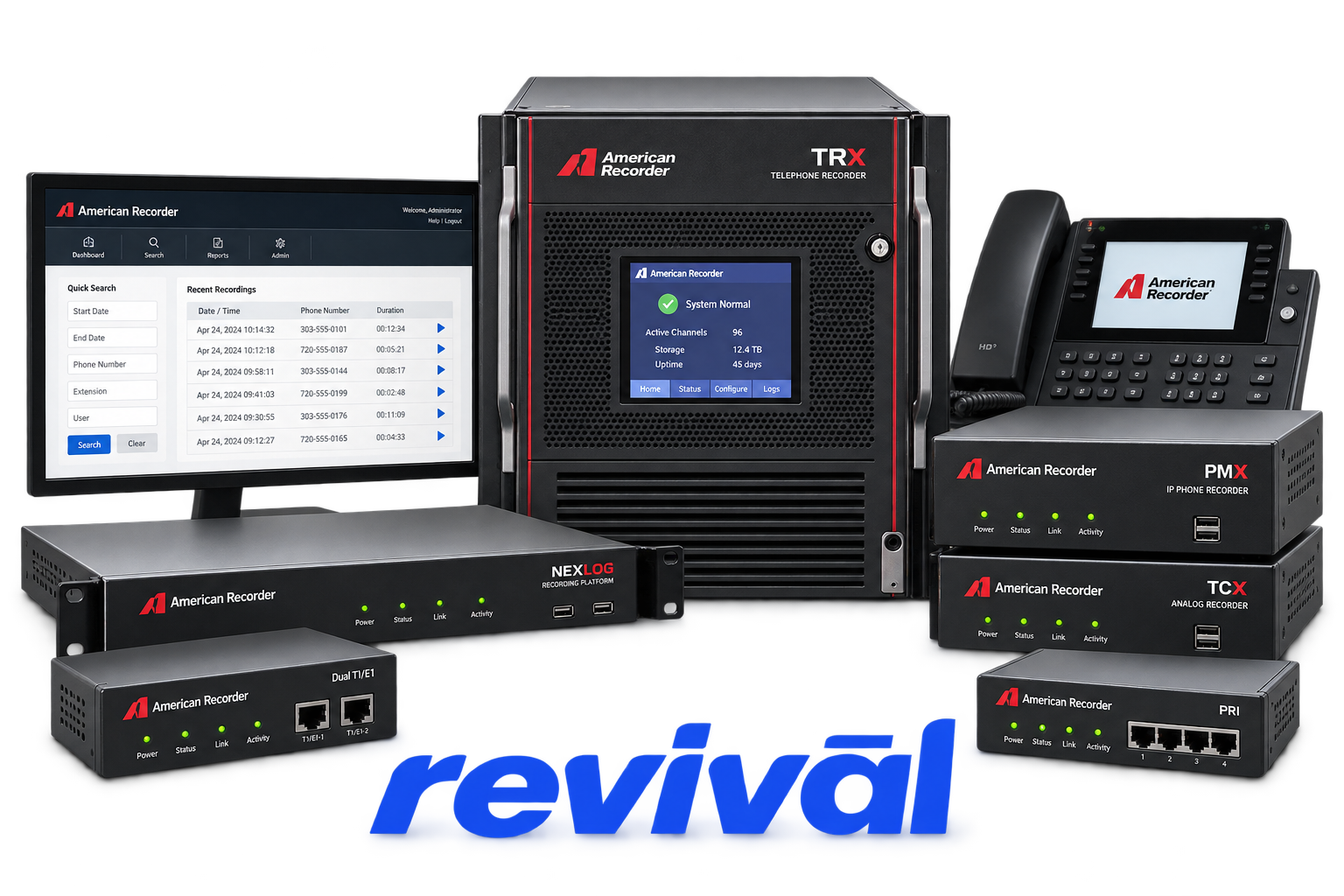
Acme Revival is an independent repair network that operates separately from the manufacturers whose devices we service. Our independence enables a repair model that exists beyond manufacturer-controlled strategies, while preserving the ability to work with manufacturers where appropriate.
American Recorder Technologies is a privately held U.S. audio/video and electronics-accessory manufacturer founded in 1977. It is best known for professional and enthusiast products used in recording studios, broadcast, music production, home audio/video and related technical environments. Its catalog includes microphone and instrument cables, audio/video interconnects and adapters, cable-management products, microphone stands and pop filters, mixers, headphone amplifiers, phantom-power supplies, direct boxes, cable testers, reel-to-reel tape accessories, cleaning and maintenance products, gaffer tape and other studio accessories. The company also performs custom and OEM manufacturing, particularly cable assemblies, and supports both small custom jobs and higher-volume production runs. American Recorder describes itself as a boutique manufacturer serving both modern digital equipment and legacy analog recording applications.
MINI MIX 2 mixers can produce distorted or clipped audio when channel gain or output levels overload the mixer or connected equipment. The overload indicator may illuminate as input levels exceed the usable range.
MINI MIX 2 and other USB-powered audio hardware can develop persistent low-frequency hum from ground loops, power-supply noise, or interconnected equipment. The manufacturer specifically identifies hum as a troubleshooting issue with the mixer.
USB-powered MINI MIX 2 units can produce high-pitched digital noise caused by contaminated or poorly isolated USB power. Changing the USB supply, outlet, or power source may eliminate the interference.
ALLCAST systems can experience complete USB hub failure, preventing the webcam, ring light, and other peripherals from powering or communicating. An independent ALLCAST evaluation documented a hub that was dead on arrival while the individual peripherals worked when connected directly to the computer.
SPL-8810 and SPL-8810A sound meters can drift from their reference calibration and require recalibration to maintain measurement accuracy. American Recorder offers factory recalibration for these models and recommends periodic calibration in the SPL-8810 documentation.
SPL-8810 meters can exhibit measurable reading offsets, particularly between measurement ranges or after calibration adjustment. Independent testing has documented low-range readings requiring correction even when the high range could be calibrated correctly.
Battery-powered measuring devices such as the SPL-8810 may develop no-power, intermittent operation, or unstable readings from depleted batteries, oxidized battery contacts, or aging power connections. The SPL-8810 specifically provides a low-battery indication and requires removal of the battery during extended storage to prevent deterioration.
VDC-134 digital stylus force gauges can produce incorrect or unstable measurements after sensor overload, impact, vibration, electromagnetic interference, or large temperature changes. American Recorder warns that overloading or dropping the weighing platform can damage its load sensor and that nearby mobile devices can interfere with readings.
American Recorder RCA, phono, and other analog audio cables can develop an open or intermittent channel when conductors, solder joints, ground leads, or connector contacts become damaged or oxidized. Typical symptoms are channel dropout, hum, crackling, or signal loss at the connector.
Connect with a technician.

Orders can typically be cancelled 24 hours prior to shipping
Get a real-time offer. Enter the make and model to begin.
Acme offers several ways to pay your service or repair balance.
Securely powered by 
This service is provided by Community Federal Savings Bank (“CFSB”), member FDIC, for which GoCardless Ltd acts as a third-party servicer.
Payable to ACME REVIVAL INC, write American Recorder in memo line, and mail your check to: 191 University Blvd. Suite 340, Denver, CO 80206. Payment are collected every weekday excluding federal holidays.